Oils, shortenings, and other fats

We have added more information to the pastry kitchen tips. For today, we will find out more on how fats and oils play their role in baked goods. They tenderize, add flavour, have leavening strength, add moisture, and can create a flaky texture.

OILS AND SHORTENINGS

Vegetable and other similar oils are produced by pressing a high-oil content food, such as olives, nuts, corn, avocados, or soybeans. The oil may then be filtered, clarified, or hydrogenated, depending on its intended use. All oils and shortenings should be stored in a dry place away from light and extreme heat.
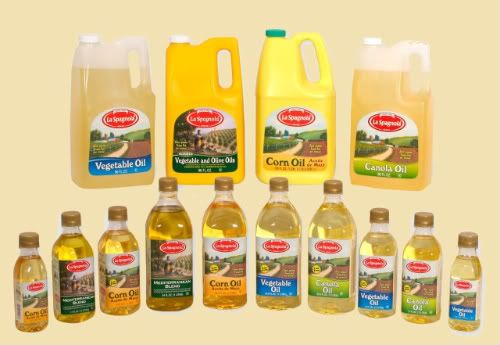


Vegetable oils are often neutral in flavour and colour and have relatively high smoking points. If the label does not specify a source, the oil is usually a blend of oils. Canola oil (or rapeseed oil) is a light, golden-coloured oil extracted from rapeseed; it is low in saturated fat. Corn oil is a mild-flavoured refined oil, medium yellow in colour, inexpensive, and versatile. Soybean oil has a pronounced flavour and aroma; it is primarily in blended vegetable oils and margarines.

Olive oils vary in heaviness and may be pale yellow to deep green, depending on the particular fruit and the processing method. Cold-pressed olive oil is superior in flavour to thermally refined oil. The finest olive oil available is extra-virgin olive oil, with a naturally low level of acid, typically less than 1 percent. Virgin olive oil, also known as pure olive oil, is the next best grade. Both extra-virgin and virgin olive oils are prized for their flavour. For this reason they are often used in preparations where oil is not cooked, and in or on products after they have been cooked or baked, to preserve and take advantage of their flavour. A blend of refined olive oil (virgin oil that has been thermally treated to remove its undesirable characteristics) and virgin olive oil is commonly used for baking and cooking.

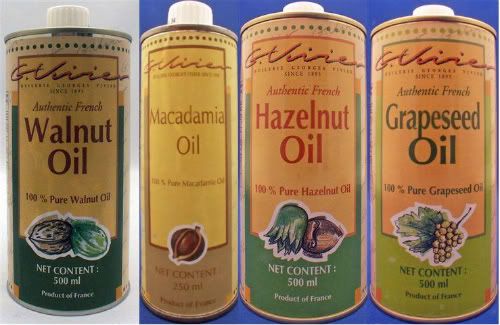
Nut oils have rich aromas. They are usually more perishable than vegetable or olive oils. Store them under refrigeration to keep them fresh, and use them within a few weeks of opening for the best flavour. Most peanut oils are pale yellow refined oil, with a very subtle scent and flavour, but some less-refined types are darker and have more pronounced peanut flavour.


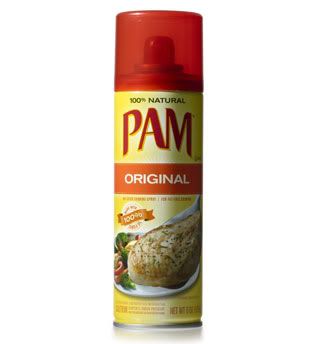
Oil sprays are vegetable oils (usually blended) packaged in pump or aerosol spray containers. They are used for lightly coating pans and griddles.


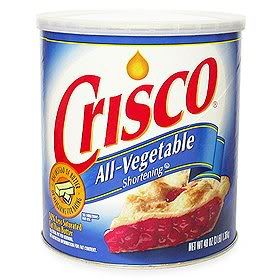
Hydrogenated shortenings are produced from liquid fats that have been chemically altered under pressure with purified hydrogen to make them solid at room temperature. Shortening may contain some animal fats unless specifically labelled as vegetable shortening.


Emulsifying shortening or high-ratio shortening is a hydrogenated shortening that contains monoglycerides and other agents so that it better absorbs and retains moisture in baked goods. Emulsifying shortening is used in recipes where the amount of sugar and liquids is proportionally greater than flour.

OTHER FATS

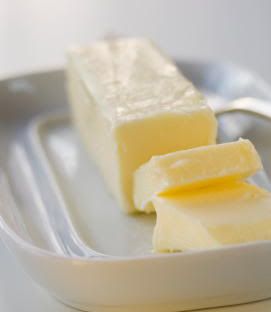
Margarine is a solid fat made with hydrogenated vegetable oils and milk, either liquid or milk solids. Regular margarines contain 80 per cent fat. Margarine may also contain salt, artificial flavourings, and preservatives. A wide variety of margarines is available, from regular to whipped to reduced-fat and cholesterol-lowering blends, in sticks, blocks, or tubs.


Read More... Oils, shortenings, and other fats

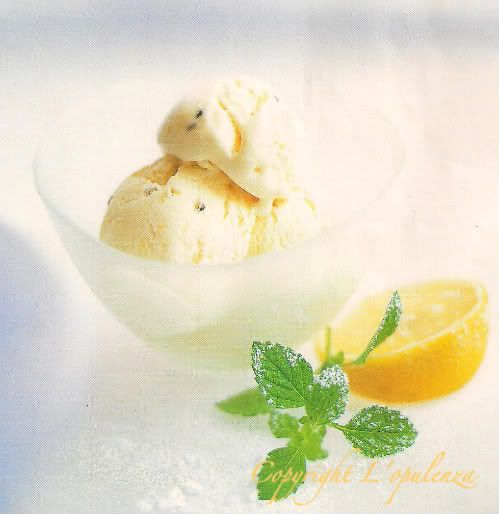
Lemon Cardamom Ice Cream

We are sure most of you have enjoyed a delightful long weekend holiday. With the great festivities and lots of delicious and spicy food, we are sure you would enjoy this delightfully refreshing ice-cream recipe. This unusual, rich ice cream has a lovely "tang". Simple to prepare by hand, so you need not worry about not having and ice cream maker. It is perfect for serving after a spicy main course.


Ingredients (Serves 6)
1 tbsp cardamom pods
4 egg yolks
115 g caster sugar
2 tsp cornflour
grated rind and juice of 3 lemons
300 ml milk
300 ml whipping cream
lemon balm sprigs and icing sugar, to decorate (optional)

Method
  1. Put the cardamom pods in a mortar and crush them with a pestle to release the seed. Pick out and discard the shells, then grind the seeds to break them up slightly.
  2. Put the egg yolks, sugar, cornflour, lemon rind and juice in a bowl. Add the cardamom seeds and whisk well.
  3. Bring the milk to the boil in a heavy-based saucepan, then pour it over the egg yolk mixture, stirring well. Return the mixture to the pan and cook over very gentle heat, stirring until the custard thickens. Do not let it boil or it may curdle.

  4. Pour the custard into a bowl, cover the surface closely with a circle of dampened greaseproof paper and leave it to cool. Chill until very col, then whisk the cream lightly into the chilled custard.
  5. By hand: Pour the custard mixture into a plastic tub or similar freezeproof container and freeze for 6 hours or until firm, beating once or twice to break up the ice crystals.Using an ice cream maker: Churn the mixture until it holds it shape. Transfer to a plastic tub or similar freezeproof container and freeze the ice cream until ready to serve.
  6. Transfer the ice cream to the fridge 30 minutes before serving. Scoop into glasses. Decorate with the sprigs of lemon balm, dusted with icing sugar, if you like.

Our Tips: Lemon balm is an easy herb to grow. The leaves are best picked before the flowering period, when they are their most fragrant. You can also refer to further tips on making ice cream by hand provided with our Cookies and Cream Ice Cream recipe here.

We hope you enjoy this tantalizing recipe. Have a great week ahead.


Read More... Lemon Cardamom Ice Cream

Viennese Cookies - For the Holidays

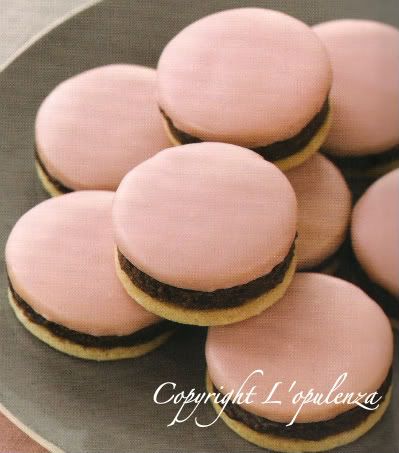
Happy Holidays to everyone. We have included a delicious cookie for you to sample for the whole family. It is a cookie version of the wonderful Viennese Punschtorte. We used artificial rum but you can also omit it by substituting with more apricot preserves. Enjoy the long weekend!!


(Makes 24 sandwich cookies)

VIENNESE COOKIE DOUGH
16 tbsp unsalted butter, softened
1 cup confectioners' sugar
1 cup (100grams) slivered almonds, finely ground in the food processor
21/2 cups all-purpose flour

FILLING
Baked cookie dough scraps
1/3 cup apricot preserves, strained
50 grams semisweet chocolate, melted and cooled
2 tbsp artificial rum
2 tsp finely grated orange zest
2 tsp finely grated lemon zest

ICING
2 cups confectioner's sugar, sifted after measuring
2 tbsp artificial rum
2 tsp water
1 drop liquid red colouring

METHOD:


  1.  Set racks in the upper and lower thirds of the oven and preheat to 180 deg C.
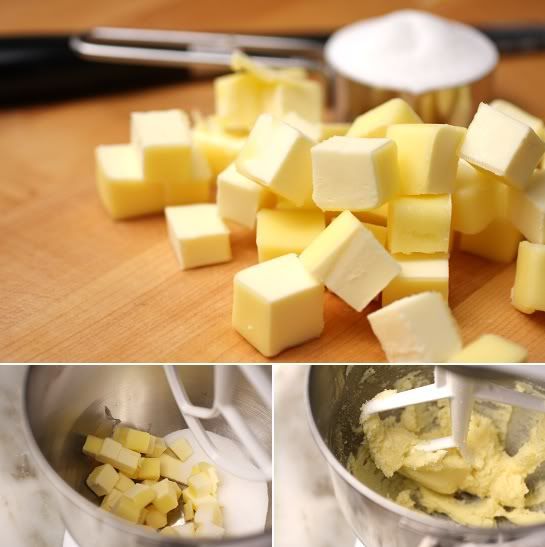
  2. For the dough, beat the butter and confectioners' sugar in an electric mixer fitted with the paddle on medium speed until soft and light, 2 to 3 minutes. Beat in the ground almonds.
  3. Remove the bowl from the mixer and stir in the flour with a large rubber spatula, mixing until the dough is smooth. Scrape the dough out onto a lightly floured work surface and divide it into 3 equal parts.
  4. Flour the surface and the dough and gently roll it to about 1 cm thick. Use a plain cutter to cut out 2- to 2.5inch (5- to 6-inch) cookies and place them on the prepared pans 2.5cm apart on all sides. Reserve the scraps from cutting the cookies in a bowl. Roll and cut the remaining 2 pieces of dough, reserving the scraps from the rolling and cutting with the others.
  5. Bake the cookies until they are firm an dull looking, 15 to 20 minutes. After the first 7 to 8 minutes, place the pan from the lower rack on the upper one and vice versa, turning the pans back to front at the same time. If you know that your oven gives strong bottom heat, stack the pan on the lower rack on top of a second one for insulation. Slide the parchment papers off the pans to cool the cookie.
  6. While the cookies are baking, arrange the scraps in a single layer on a parchment- or fooil-lined pan. Bake as for the cookies and cool on a rack.
  7. To make the filling, break up the cooled scraps and place them in the bowl of food processor fitted with the metal blade. Pulse to grind coarsely. Add the preserves, melted chocolate, artificial rum, and orange and lemon zests and pulse until the filling holds a soft shape.
  8. To fill the cookies, turn half the bases over so that the flattest sides are facing upward. Spread a little less than 1 tbsp of the filling on the cookie base to within 3mm of the edge. Top with the other cookies, gently pressing them together.
  9. For the icing, combine the confectioners' sugar, artificial rum, water and food colouring in a medium saucepan. Stir until smooth. Place over low heat and cook the icing until it is just lukewarm, about 45 degC. Use a small offset spatula to spread a thin coating of the icing on top of each cookie.


For storage: Keep the cookies in a cool place between sheets of wax paper in a tin or plastic container with a tight-fitting lid.

Hope you enjoyed this wonderful recipe. Have a great weekend!!


Read More... Viennese Cookies - For the Holidays

Selamat Hari Raya Aidilfitri


To all our dearest Muslim clients, we want to thank all of you for your tremendous and encouraging support throughout all these years. We have been growing well thanks to your generosity. We would like to take this opportunity to wish all of you Selamat Hari Raya Aidilfitri.


Read More... Selamat Hari Raya Aidilfitri

Cream

It's been a busy a week for us due to the festive season coming up this Friday. We want to thank everyone for their tremendous support and overwhelming orders. Today, we have the chance to continue with our pastry kitchen tips on cream.

What is cream? Why is it important for us to know more about cream in baking? Find out more on this topic below.

Left to its own devices, milk straight from the cow will separate into layers; a bottom layer of almost fat-free liquid and top layer of solid-butterfat thick cream. Since straight-from-the-cow cream is rarely available, we are most familiar with commercially prepared creams, which have been separated from the milk by centrifugal force.

There are a number of different types of cream on the market:

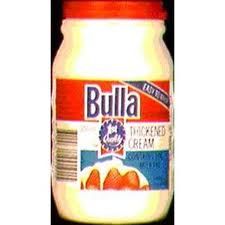
Heavy (or heavy whipping) cream: This is the richest, highest-quality commercial cream, with 36 to 40 per cent butterfat. It is primarily used to make whipped cream or crème Chantilly. Heavy cream will double in volume, when whipped. Unlike the more widely available ultra-pasteurized heavy cream, this cream is generally only found in speciality-food stores or fine dairies.


Ultra-pasteurized cream: Also called whipping cream, this is cream that has been quickly heated to 149 deg Celsius to increase its shelf life by destroying any microorganisms that would create spoilage. It is not as cleanly flavoured nor does it whip as easily as regular cream, due to changes in the molecular structure during pasteurization.


Light whipping cream: A lower-fat cream, light whipping cream has 30 to 36 per cent butterfat. It may also have added emulsifiers and stabilizers to improve its whipping capabilities.

Light table or coffee cream: Light cream most frequently contains about 20 percent butterfat, although it can have up to 30 percent. It is, as its alternative names indicate, most often used to lighten hot beverages.

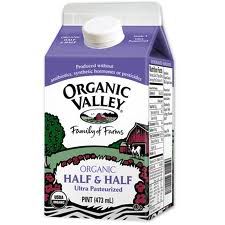
Half-and-half: Just as its name indicates, this is a mixture of equal parts whole milk and cream, with 10 to 12 percent butterfat. It is most often used in beverages. It cannot be whipped. (Also available in a nonfat form, which is simply nonfat milk thickened with a number of additives. We do not recommend it.)


Pressurized whipped cream: Today, many people only know the whipped creams that come from pressurized can, available from the refrigerated dairy section of supermarkets. Most are not pure cream and instead contain a mixture of cream and sugar along with emulsifiers, stabilizers, and the gas that simulates the whipping action. It is not to be confused with other pressurized "nondairy" dessert toppings that contain absolutely no cream. It is not recommended for use in the pastry kitchen.


Read More... Cream

New Exotic Collections

We are pleased to introduce our latest range of products to show our great appreciation for all those who have supported us thus far.

These new exotic collection has been carefully and painstakingly researched and selected in view of the preferences of special individuals who have unwaveringly given us their honest and most critical feedback. We believe these new pâtisseries will continue to luxuriate your senses. 

Discover how pleasurable these pampering can be. You can make your orders can be made directly via our Shopping Indulgence page. Alternatively, you can write to us, our Personal Advisors will get in touch with you directly. 


Soft and smooth cake with chopped fresh strawberries as a surprise when you bite into it. Buttercream with fresh strawberries adds more flavour to the whole cupcake experience that it will take your breath away.


Perfect for breakfast or taken during your favourite tea-time, with a dollop of fresh whipped cream. Great as gifts to your loved ones. Fall in love with these simple yet enticing delicacy.


Celebrate your summer entertainment with this divine Mango Exotica. Luxuriate your sense with the perfection of sweet juicy mangoes and mascarpone cheese, served with raspberry sauce. Simply irresistible!


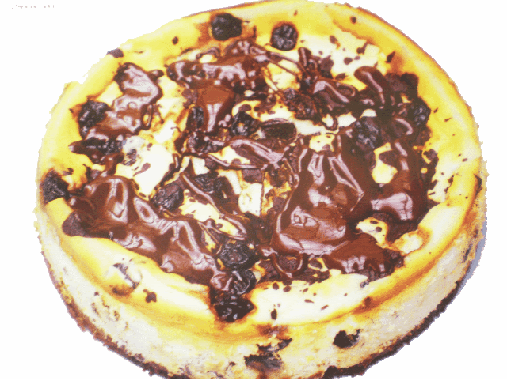
Stunning cheesecake served with cherries and warm chocolate sauce, drizzled on the cake. This has been a wonderful favourite among cheesecake lovers. Totally rich and sinful, but an ultimate experience you'll always remember.


Chocolate cake layered with mascarpone cream and tantalizing caramel icing. Luscious and flavourful dessert, a perfect choice for a delightful dinner.

Read More... New Exotic Collections

Macaroons


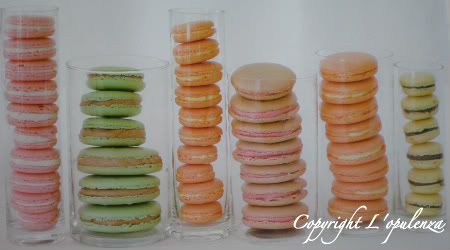
There's been a lot of interested individuals who have requested us for techniques in making macaroons. Macaroons are indeed among the most elegant petit fours. They can be made in one of two ways - by creaming the batter or by the sponge method, which involves incorporating a meringue into a nut-, seed-, or fruit-based mixture. In France, a macaroon is often an almond confection that is crisp on the exterior and soft and chewy on the interior, generally made from almond paste or flour and meringue.

Today, we shall introduce to you one of the most enticing of all macaroons, macarons Gerbet. It is named after a nineteenth-century French pastry chef and is highly regarded in Parisian pastry making. Most often, they are filled with jam or even richly flavoured buttercream.

Macarons Gerbet
(Makes 25 macaroon sandwich cookies)

Ingredients
115g  almond flour
200g confectioner's sugar

For the meringue
90g egg whites, at room temperature
8g confectioner's sugar

For the finish
100g raspberry or other jam

Method
  1. Preheat oven to 162 deg celsius.
  2. Line a baking sheet with parchment paper. Set aside.
  3. Combine the almond flour and sugar in the bowl of a food processor fitted with the metal blade. Process for about 1 minute, or until very fine. Set aside.
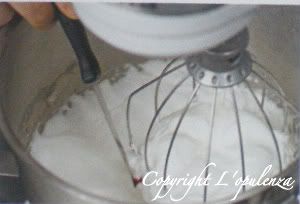
  4. To make the meringue, place the egg whites in the bowl of the standing electric mixer fitted with the whip attachment. Beat low to aerate. Add the sugar, raise the speed to high, and beat for about 3 minutes, or until soft peaks from. Take care not to overwhip or the meringue will be dry and will be difficult to fold in the dry ingredients.
  5. Remove the bowl from the mixer and, using a rubber spatula, fold the almond mixture into the meringue until well blended.
  6. Transfer the batter to a pastry bag fitted with the #2 tip.
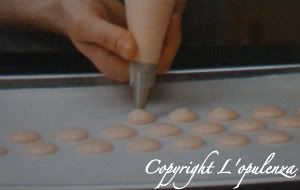
  7. Carefully pipe fifty (50) 2.5cm (1-inch) rounds of the macaroon batter onto the parchment-lined baking sheet. Set them aside for about 1 hour, or until the macaroons form a skin on their surface. This is extremely important, as the skin helps the macaroons hold their shape during baking.
  8. Make the macaroons for about 10 minutes, or until firm and just beginning to brown around the edges. (The macaroons should not colour much during baking.) Watch carefully, as the high sugar content can cause the cookies to burn quickly.
  9. Immediately transfer the macaroons to wire racks to cool.
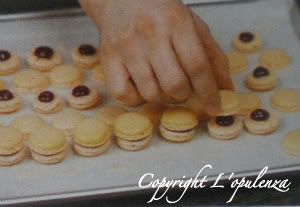
  10. Using an offset spatula, lightly coat the flat bottom of 25 of the cooled macaroons with thin layer of jam. Cover the jam with another macaroon, bottom side down, pressing gently to make sandwich cookies.
  11. Serve the macaroons immediately or store them, air tight in layers, at room temperature for a day or two.
Tips
Buttercream, ganache, or pistachio or praline paste may be used as a filling in place of the jam.

A drop or two of food colouring among with 3ml (1/2 teaspoon) of any extract can be added to the meringue.

EVALUATING YOUR SUCCESS
The baked macaroons should be smooth and round with no cracks, crunchy on the exterior, and soft and chewy in the interior.

The baked macaroons should be consistent in size, shape and colour.

There should be just enough filling to hold the two pieces together as well as to add a bit of moisture.

Read More... Macaroons

Common Forms of Vanilla

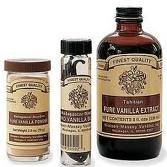
As a flavouring, vanilla adds potency and aroma to both sweet and savoury dishes. Liquid extract is the most common form of vanilla used, but the seeds and pod are also employed.

Pure vanilla extract: Extract is made by macerating chopped pods in an alcohol-and-water solution to draw out the flavour. The mixture is aged for several months until the liquid is brown, clear, and very fragrant. The strength of the extract is measured in units called folds. Single-fold vanilla is sold for the home cook. Two-, three-, and four-fold vanilla is sold for food processing purposes.

Single-fold vanilla contains the extractive matter of 378grams (13.35 ounces) of vanilla beans, containing less than 25 percent moisture in 3.8 litres (1 gallon) of 35 percent aqueous ethyl alcohol. Two-fold uses 756 grams (26.7 ounces) of vanilla beans, contains two times as much extractive matter, and is twice as strong. Three- and four-fold are, as one would imagine, three and four times as strong. Vanilla extract will keep indefinitely if stored, airtight, in a cool, dark spot.

Vanilla essence is also produced and is so strong that only a drop or two is necessary to adequately flavour a mix. 

To retain the intensity of flavour, vanilla extract should be cooked in mixtures after they have cooled slightly. When baking, vanilla should be mixed in with the fat, which will encapsulate it and prevent it from volatilizing during the hot baking process.


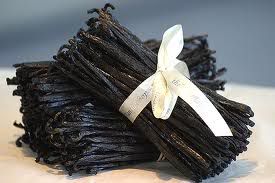
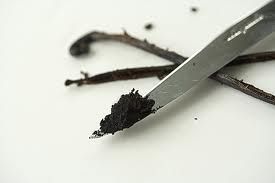
Whole vanilla beans: Whole beans are frequently used in the pastry kitchen. To use the internal seeds only, the pod is split open lengthwise down the centre, and the thousands of tiny seeds are scraped out. The seeds are added to a mix, often ice cream or custards, to infuse it with a rich vanilla flavour. In cookies, cakes, or other doughs, they may be creamed into the butter. The pod itself may also be added to heighten the flavour of mixtures that are simmered, but it will be removed at some point before serving. Split pods, either with or without the seeds, can be placed in granulated or confectioners' sugar to create a beautifully scented vanilla sugar. Whole beans that have been used as a flavouring for cooked mixtures may also be removed, rinsed clean, dried, and stored, tightly wrapped in an airtight container, in a cool, dark spot. Under these conditions, they will stay fragrant for a bout six months.

Imitation vanilla: Composed entirely of artificial flavourings, (most of which are paper industry-by-products that have been chemically treated), imitation vanilla has a harsh taste that will often leave a bitterness on the palate. Much cheaper than vanilla extract, it is not comparable to the real thing and much more will be needed to add flavour to a mix. It may also be called artificial vanillin.


Vanilla flavouring: a blend of pure and imitation vanilla used primarily for commercial products.

Vanilla sugar:  Either confectioner's or granulated sugar that has been flavoured by being stored, airtight, with a vanilla bean. Two beans are generally used to flavour 1 pound of sugar; the beans may be those that have been scraped off their seeds. The aromatic sugar is used to flavour baked products, ice creams, pudding, or other desserts.

Vanilla powder: Vanilla powder is pure vanilla extract that has been dried on maltodextrin ( a modified, all-natural cornstarch), with sugar added or not. It is used as a topping, for colour, or flavouring liquid-sensitive products.

Vanilla paste: With a consistency somewhere between syrup and molasses, vanilla paste is formulated to match pure extract in flavour, strength, and usage. Its consistency holds hundreds of vanilla seeds in suspension which gives the finished product a natural vanilla look.

This article completes our topic on vanilla. Hope you have a clearer understanding of one of the most frequently used flavourings. 


Read More... Common Forms of Vanilla

More on Vanilla and Its Origins

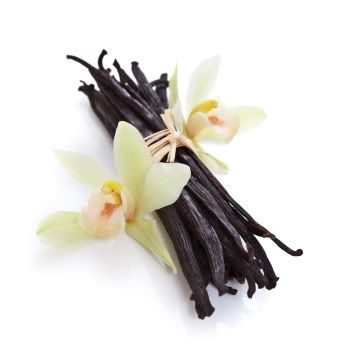
 Vanilla Orchid


Bourbon-Madagascar Vanilla : This type is considered to be the finest-quality pure vanilla available. The term "Bourbon" comes from the Bourbon Islands, Madagascar, Comoro, Seychelles, Mauritius, and Reunion off the east coast of Africa. The beans grown there are very thin, with a sweet, rich flavour that is described as creamy, smooth, sweet and mellow.

Indonesian Vanilla : Traditional Indonesian vanilla has been known as a mixed-quality vanilla, with minimal attention paid to its grading. Grown on Bali, South Java, Sulawesi, North and South Sumatra, Lomboc, Flores, and Timor, it possesses a deep, full-bodied flavour. With improved techniques, modern Indonesian vanilla can frequently be favourably compared to Bourbon vanillas.


 Vanilla Beans


Mexican Vanilla : Mexican vanilla is described as creamy, sweet, smooth and spicy. Considerably cheaper than many other imported vanillas, Mexican vanillas are sometimes suspect as they contain coumarin, a carcinogenic product that can cause liver and kidney damage when consumed. However, when processed by a reputable manufacturer under proper guidelines, Mexican vanilla is considered to be very high quality.

South American and West Indian Vanilla : This vanilla should be similar to Bourbon vanilla, but when imported it is generally of poor quality.


 Vanilla Seeds


Tahitian Vanilla : Tahitian vanilla beans are the thickest, darkest pods, and their seeds are fewer and stickier than those of other types. They come from the species Vanilla tahitensis Moore and have a fragrant but delicate aroma and taste and a lower vanillin content. They are generally less favoured, as they have a relatively high volatile oil content, which results in cloudy extracts.

We will continue next on the different forms of vanilla...

Read More... More on Vanilla and Its Origins

Vanilla


Vanilla is the most frequently used flavouring in the pastry kitchen - in fact, it is one of the most widely used flavours in the world. With its mellow accent that complements both sweet and savoury products, it is used in baked goods and confections in many parts of the world. 

The long, thin pod is the fruit of a small group of flowered, climbing tropical orchids native to Mexico, the West Indies, Central and South America, and Tahiti. There are more than 20,000 varieties of fruit-bering orchids in the world, and the vanilla bean is the only one that is edible. Most commercial vanilla comes from the Vanilla planifolia Andrews orchid. This particular type of orchid has only one natural pollinator, the melipone bee, and it was not until the intervention of science in the mid-1880s that commercial production was possible. Even now, pollination is still carried out by hand on family plantations.

Because it is labour-intensive and time-consuming to produce, pure vanilla is a very costly ingredient. The entire cultivation process, from planting to market, can take up to six years. For a start, each of the plant's blossoms only stay open for a day, which makes pollination more difficult.

Vanilla beans differ in chemical, physical, and organoleptic (affecting the sense) properties, depending upon their species, geographical source, and physical form (or grade). Each has a marked difference in aroma and taste having to do with the plant it came from, its maturity when picked, the curing method used, and the process used to obtain the extract.

In the next article, we will provide more information vanilla. Do stay with us...


Read More... Vanilla

Goodness of Dates


THE CROWN OF SWEETS  


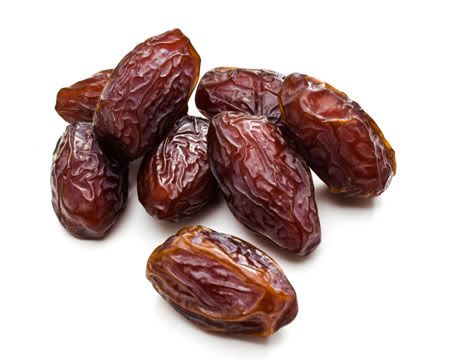
Dates are considered to be blessed fruits, especially when consumed during the Holy Month of Ramadhan. The most important benefit of dates are that they are rich in energy, important nutrients and fibre.

Modern science has proven that dates are part of a healthy diet. Modern medicine has shown that they are effective in preventing abdominal cancer. Dates are also rich in calcium, they help to strengthen the bones. Dates are also important in keeping up the health of eyes. Besides, dates are an effective remedy for weak heart.

In other words, one date is a minimum of a balanced and healthy diet. Arabs usually combine dates with either milk, honey, nuts or apple vinegar. This combination indeed makes a self-sufficient and tasty diet for mind and body. Dates and date palms have been mentioned in the Holy Qur'an 20 times, thus showing their importance.

They are definitely the "crown of sweets", and ideal food which is easy to digest, and within half an hour of taking it, the tired body regains a renewed vigour. 

Enjoy the dates for a healthier living!!


Read More... Goodness of Dates

Our Heartfelt Welcome... Ramadhan


All of us here at L'opulenza would like to send you our warmest wishes for divine blessings in this wonderful month of Ramadhan.

Many of our friends have asked us about Ramadhan. We are more than pleased to share more about this month.

Ramadhan, for Muslims the most blessed of all months, and this is when believers stepped into a holy period of reflection and purification to review their lives in light of Islamic teachings and refocus their attention on God, redoubling efforts to avoid bad deeds.

They will abstain from eating and drinking from the break of dawn to sunset each day for one month, observing one of the five pillars of the Islamic faith.Those who are sick, elderly, or on a journey, and women who are pregnant or nursing are exempted to break the fast and make up an equal number of days later in the year. If they are physically unable to do this, they must feed a needy person for every day missed.The fasting during Ramadhan is regarded principally as a method of self purification.

The fast also allows practitioners to experience the hunger that the poor face throughout the year. The act of fasting is said to redirect the heart away from worldly activities, its purpose being to cleanse the inner soul (nafs) and free it from all evil qualities disliked by God. Properly observing the fast is supposed to induce a feeling of peace and calm. It also allows Muslims to practice self-discipline and sacrifice, as well as sympathy for those less fortunate, aiming to make Muslims more generous and charitable.


FROM ALL OF US AT L'OPULENZA...
SALAM RAMADHAN.


Read More... Our Heartfelt Welcome... Ramadhan

Simple Chocolate Truffles


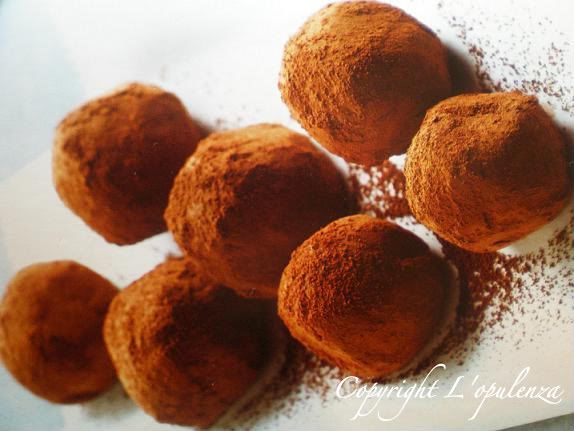
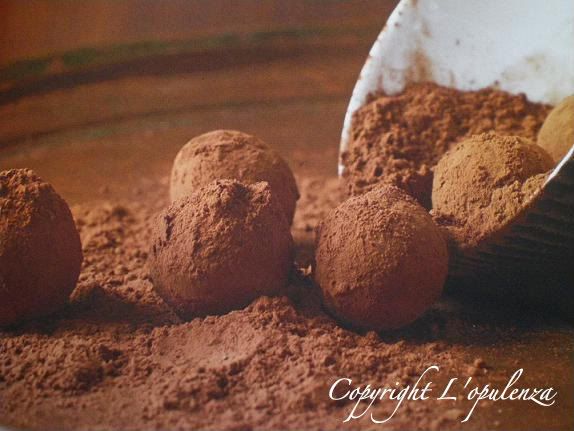
In this recipe, truffles are rolled in cocoa powder or ground nuts right after they're coated with melted chocolate. Dutch-processed cocoa powder is best for coating the truffles because it's higher in colour and less acidic than natural cocoa powder, but if you can find only natural cocoa, use it instead.


Ingredients (yields about 45)
12 ounces semisweet chocolate (55% to 60% cacao), coarsely chopped or broken into pieces
1 cup heavy cream
2 tablespoons unsalted butter, softened
1 cup cocoa powder (preferably Dutch-processed); more as needed
8 ounces semisweet chocolate, chopped
6 ounces finely chopped toasted nuts (such as almonds, hazelnuts, walnuts, pecans, peanuts and pistachios)


Method
1.  Grind the chocolate in a food processor until it reaches the consistency of coarse meal, about 30 seconds.
2.  Bring the cream to a boil in a small saucepan over medium heat. 
3.  Add the cream to the food processor and process until smooth, about 10 seconds.
4.  Add the butter to the warm (but not hot) ganache while it's still in the food processor.
5.  Process until smooth, about 10 seconds. Transfer to a medium bowl, cover tightly with plastic wrap, and refrigerate until firm, at least 2 hours or overnight.
6.  Put the cocoa powder in a large bowl. Using 2 teaspoons, shape rounded, heaping teaspoonfuls of truffle mixture and drop them onto a large, parchment-lined baking sheet.
7.  When all of the truffles are scooped, dip them in the cocoa and use your palms to roll the truffles into smooth 1-inch balls (don't worry about making them perfect; slightly irregular truffles have an appealing homemade appearance). 


8.  Transfer the truffles to the refrigerator.
9.  Melt the chocolate in a medum heatproof bowl set in a small skillet of barely simmering water, stirring occasionaly until smooth.
10. Transfer the bowl to a work surface. 
11. Working in batches, use your fingers or a couple of forks to coat the truffles with the melted chocolate.
12. Coat the truffles again with the remaining cocoa or chopped nuts (if using), and return them to the baking sheet. 
13. If using your hands, you'll have to stop and wash off the chocolate in between batches.
14. Let the truffles sit at room temperature for at least 15 minutes before serving.

MAKE AHEAD Truffles will keep for up to five days in an airtight container in the refrigerator. Bring them to room temperature before serving.

Luxuriate your senses with this simple indulgence!


Read More... Simple Chocolate Truffles

An Overview of Cakes


French gâteaux are among the richest, sweetest, and most flavourful of all desserts. They range from the simple quatre-quarts (pound cake) to the elaborately decorated Marjolaine. It is the skill of the pâtissier that allows the creation of a beautiful light, delicate confection from the basic elements of flour, sugar, eggs and butter. The achievement of a perfect cake with a delicate crumb, sweet, buttery aroma, and delicious flavour is the baker's dream. When it is decorated with artistry, it becomes the creator's crowning glory.

As with all other pastry, the selection and use of high-quality ingredients is of primary importance. It is also essential to follow the mixing and baking procedures exactly to achieve the desired result. There are essentially three goals to mixing a cake batter, no matter the type: The batter should be smooth and even, air cells must be created and incorporated into it, and the appropriate texture must be reached to give the desired final result.

A smooth and even batter can only be reached when all the ingredients are of the designated type and specified amount, the right type and temperature of fat is used, the eggs or egg yolks or whites are correctly incorporated into the batter, all ingredients are incorporated at the appropriate temperature, the butter and sugar are well creamed, and the liquids are added as directed.


The fine, delicate texture of baked cake is mainly the result of the formation of small, uniform air cells in the batter. These air cells also help leaven the cake as they expand in the heat of the oven. To create the desired air cells, the ingredients must be of the proper temperature, and the mixing speed should be moderate. Cold ingredients and high-speed mixing will produce fewer air cells that are not uniform in size, resulting in a finished cake that is tough and chewy.


The proper texture is achieved through the use of the appropriate flour, usually one that is low in gluten. The exception to this is cakes that contain heavy ingredients, such as candied or glazed fruit, for which some high-gluten flour may be introduced into the mix. Again, the length and speed of the mixing and the temperature of the batter while being mixed will affect gluten development and, subsequently, the texture of the baked cake.

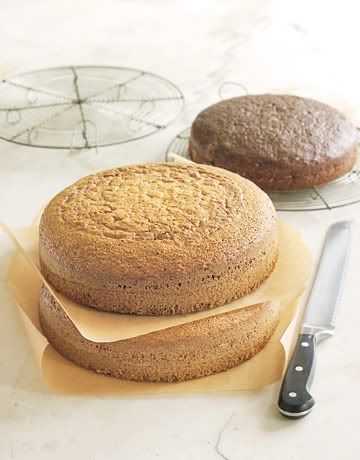
Cakes in the French pastry kitchen are primarily made from a base of génoise, a classic egg-foam cake made with a large quantity of whipped eggs, little fat and no chemical leavening agent, and finished with other flavourful component such as crème au beurre (buttercream) or mousses. The génoise is usually cut into layers and brushed or soaked with flavoured syrup before being filled.

The finished cakes generally require time, patience, and skill to put together. However, génoise can be baked ahead and stored, well wrapped, and either refrigerated or frozen. The syrups and fillings can usually be made ahead of time also, so that the cake can be assembled after all the components have been prepared over the course of few days.


Following are three hints that will minimize the risk of a cake not measuring up to industry standard:

1. Follow the recipe instructions to the tee-measure, sift, beat, cream, whip, stir, fold and so forth as directed.
2. Use utensils and pan as directed. The wrong utensil or the wrong size pan can result in disaster.
3. Use ingredients at the directed temperature. Melted butter or chocolate that are too hot will ruin a batter as effectively as ingredients that are too cold.

The Possible Causes of Problems in a Finished Cake

Improperly risen cake:
- Strength of leavening agent diminished
- Improperly sifted dry ingredients
- Batter overmixed
- Too much, or too little fat, liquid or sugar
- Oven too hot
- Collapsed center: too much fat, sugar or leavening
- Collapsed edges: too little flour, or too much liquid

Surface appearance of baked cake:
- Baked colour dull, mottled or too dark: too much sugar or leavening, too little fat, or the wrong oven temperature
- Surface too dark or covered in dark spots: too much sugar
- Cracked surface: too little sugar or fat, too much flour or the wrong type, overmixed batter, or wrong oven temperature

Interior appearance and texture of baked cake:
- Large holes: too much sugar or leavening agent
-Tunnel-like holes: too little fat, wrong flour or overmixed batter
- Uneven colour: strength of leavening agent diminished or improperly mixed batter
- Tough and chewy: too little sugar or fat or too many eggs
- Dry and crumbly: too little liquid, fat or sugar or the cake baked too long


Read More... An Overview of Cakes
Next previous home
Related Posts with Thumbnails